

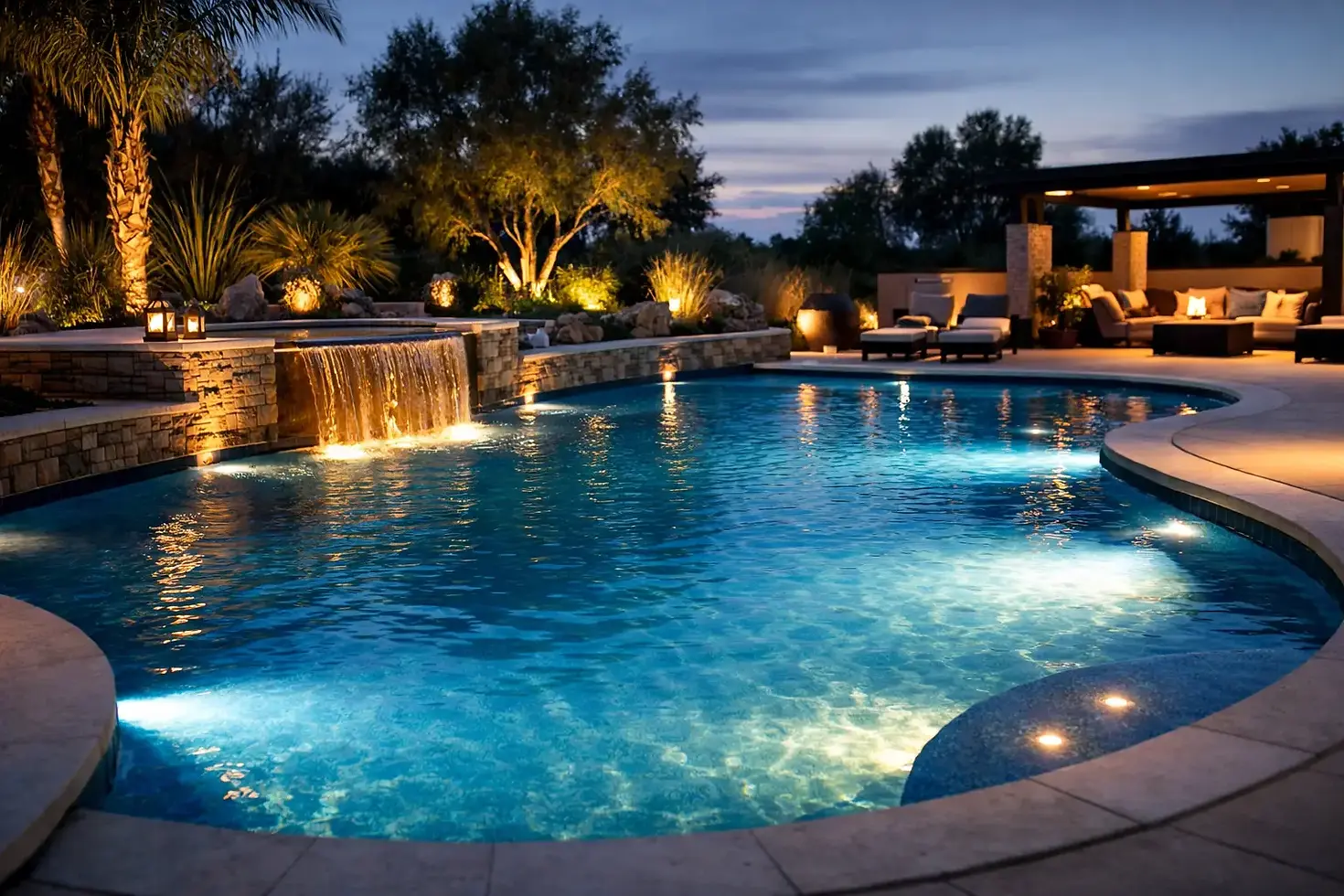
Pool Lighting Design Guide for Better Results
A pool can look flat and forgettable after dark, or it can become the best part of your backyard. The difference usually comes down to planning, and that is exactly where a good pool lighting design guide helps. It is not just about making the water glow. It is about safety, visibility, mood, maintenance and getting a result that still works six months from now, not just on installation day.
For most homeowners, the biggest mistake is choosing lights too early. They pick a colour, a fitting or a brand before thinking about how the space is actually used. If your pool is for family swimming, entertaining, or simply making the yard feel finished at night, the lighting design should match that purpose. Good lighting starts with the way you live, not with a product catalogue.
What a pool lighting design guide should cover first
The first question is simple - what do you want the lighting to do? In some homes, the priority is safety around steps, edges and shallow areas. In others, it is creating a calm evening look from the patio or outdoor dining area. Commercial spaces may need a more even and practical level of light, while a private backyard might suit something softer and more atmospheric.
That is why one-size-fits-all advice rarely works. A small plunge pool in Toowoomba has different lighting needs to a larger family pool in Highfields or a feature pool at a short-stay property. Shape, depth, finishes and nearby landscaping all affect how light behaves once the sun goes down.
The surface colour inside the pool matters more than people expect. Lighter interiors reflect more light and can make a modest setup look bright. Darker finishes absorb more light and often need more careful placement to avoid gloomy patches. Water movement changes things too. A still pool gives you clean reflections, while jets, fountains or spillways can break up the light and create a more active effect.
Start with safety, then build the look
A well-lit pool should feel easy to read at night. You want swimmers and guests to see where the pool starts, where the steps are, and where the surrounding edges sit. This is especially important in family homes, entertaining areas and properties with older visitors.
Underwater lighting helps, but it is only one part of the job. The surrounding space matters just as much. Paths, coping, entries, nearby decks and seating zones all need enough light to move around safely. If the water looks impressive but the footpath is hard to see, the design is not doing its job.
There is also a balance to strike. Too much brightness can create glare and make the space feel harsh. Too little can leave blind spots and reduce visibility in the water. The best results usually come from layering light rather than relying on one very bright fitting. That might mean combining pool lights with subtle garden lighting or carefully placed exterior fittings around the entertaining area.
Pool light placement matters more than most people think
If there is one part of any pool lighting design guide that deserves attention, it is placement. The same light can look excellent in one position and disappointing in another. Poor placement can create hot spots, shine directly into seating areas, or leave steps and corners in shadow.
A common approach is to position underwater lights so they shine away from the house and main entertaining zones. That reduces glare when you are sitting by the pool. It also helps the water become a feature rather than a source of uncomfortable brightness. The aim is to illuminate the pool, not blind everyone looking at it.
Long rectangular pools often suit evenly spaced lights that create a balanced wash across the length. Freeform pools need a more tailored layout because curves, ledges and irregular depths can interrupt the spread of light. Steps, tanning ledges and entry points deserve particular attention because they are functional areas that need clear visibility.
Depth also affects the outcome. Shallow zones can appear brighter than deep sections even with the same fitting, so the design may need adjusting to keep the look consistent. This is where practical site knowledge makes a real difference.
Choosing between white light and colour-changing options
Many pool owners are drawn to colour-changing lights, and for good reason. They can create a striking effect for entertaining and give you flexibility for different moods. But they are not always the best everyday choice for every property.
White light tends to be cleaner, simpler and more timeless. It suits modern homes, makes the water look crisp, and often provides better practical visibility. Warm white can soften the look around more traditional outdoor spaces, while cool white can feel sharper and more architectural.
Colour-changing lights are great when used with restraint. They work well if you genuinely want variety and will use the feature, but constant colour shifts can quickly feel novelty-driven rather than considered. In many homes, the best setup is one that offers colour options while still looking excellent in a standard white setting for most nights.
The quality of the fitting matters here. Cheap colour systems can produce uneven tones or unreliable performance over time. It is worth choosing products that are built for Australian conditions and supported properly if maintenance is ever needed.
Think about the whole backyard, not just the water
A pool rarely sits on its own. It is usually part of a broader outdoor area that includes fencing, gardens, alfresco spaces, lawns or entertaining zones. If the pool is lit beautifully but the rest of the backyard disappears into darkness, the result can feel disconnected.
Good design links the pool to its surroundings. Soft lighting in nearby garden beds can frame the water. Lighting on a wall, fence line or feature tree can add depth behind the pool. Subtle illumination around seating or outdoor dining can make the area feel more welcoming without competing with the water itself.
This does not mean filling the yard with fittings. In fact, over-lighting is one of the quickest ways to lose atmosphere. A few well-placed lights usually do more than a large number of average ones. You want the space to feel intentional, calm and easy to use.
Maintenance and durability should be part of the decision
It is easy to focus on appearance and forget the long-term side of the job. But any practical pool lighting design guide should include maintenance, access and durability. Outdoor and pool environments are harsh. Heat, moisture, chemicals and weather all take their toll.
That is why product quality and installation quality matter just as much as the visual plan. A cheaper option can look fine at first, then create avoidable issues later. Reliability matters if you want the lighting to keep working through summer entertaining, family use and seasonal weather changes.
You should also think about future servicing. Can fittings be accessed sensibly if needed? Is the system suitable for the pool type and surrounding environment? Has the broader electrical setup been considered properly? Straightforward advice at the start usually saves time and money later.
For homeowners in regional Queensland, it also makes sense to choose solutions that can handle local conditions without becoming a maintenance headache. That is part of the reason many clients prefer dealing with experienced specialists who understand both the electrical side and the pool environment.
When to upgrade an existing pool lighting setup
Not every project starts from scratch. Plenty of pool owners already have lighting, but it no longer performs the way they want. Sometimes the issue is ageing fittings. Sometimes it is a layout that never really worked. Other times the pool area has been renovated, and the old lighting no longer suits the updated space.
An upgrade can be worthwhile if the pool feels dim, uneven, outdated or difficult to enjoy at night. It can also make sense if you are improving the surrounding backyard and want the pool to match the new look. Replacing older systems with more efficient modern options can improve both appearance and reliability.
The key is to assess the whole area rather than swapping fittings one for one without any design thinking. A smarter layout, better colour temperature and improved coordination with surrounding outdoor lighting can completely change how the space feels after dark.
Getting the design right from the start
The best results usually come from asking practical questions early. How is the pool used most often? Where do people sit and look at it from? Which areas need the clearest visibility? What style suits the home? What level of maintenance makes sense for the owner? Once those answers are clear, the right lighting choices become much easier.
That is the approach we believe in at LedRex Electrical - clear advice, reliable workmanship and solutions that work in real homes, not just on paper. Pool lighting should make your outdoor area safer, easier to enjoy and better looking at night, without turning the project into a hassle.
If you are planning a new pool or rethinking an older setup, aim for lighting that still feels right on an ordinary Tuesday night, not just when you first switch it on.


Comments