

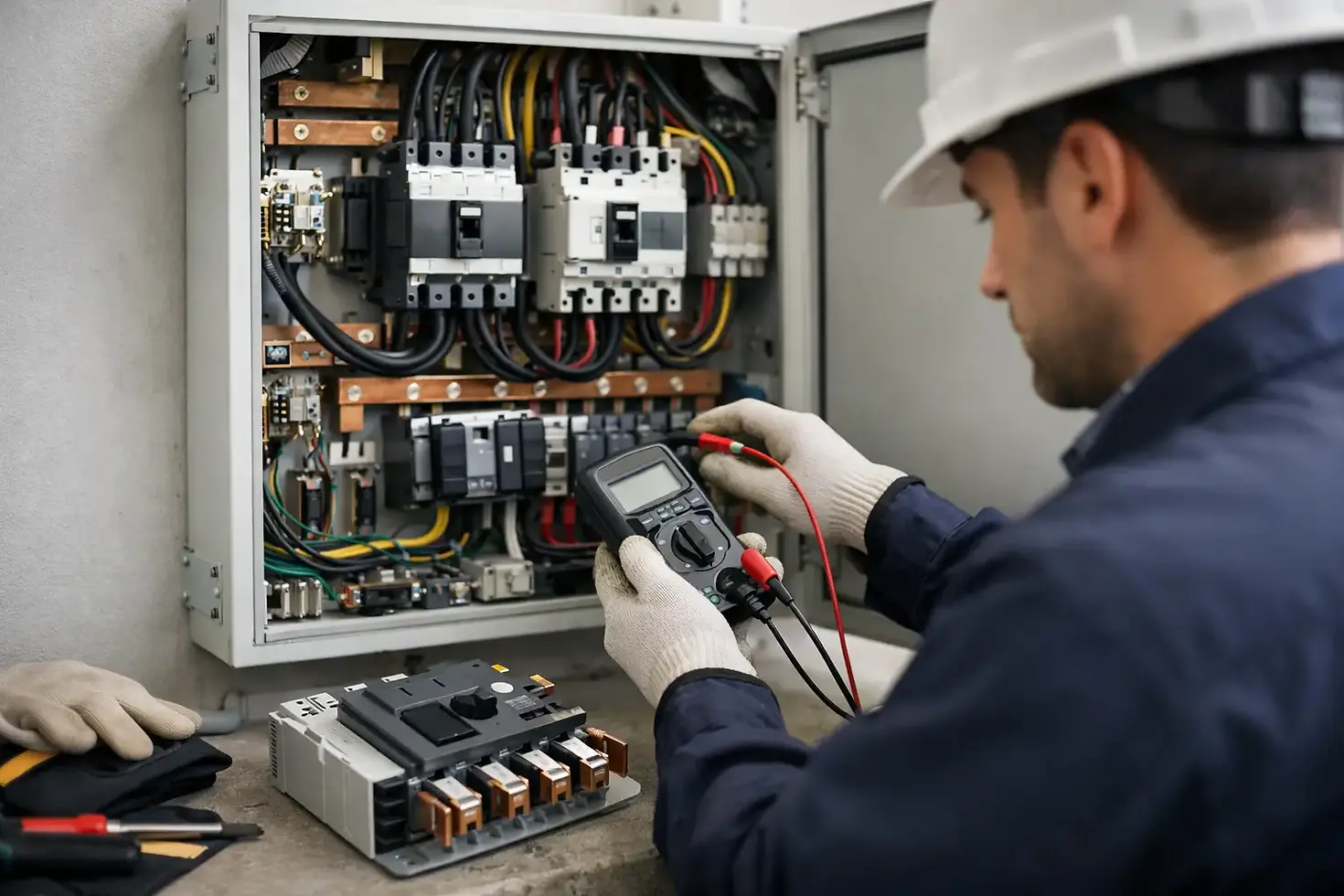
Switchboard Upgrade Guide for Safer Power
If your lights flicker when the air con kicks in, your safety switches trip without warning, or your switchboard still looks like it belongs in another decade, it may be time for a closer look. This switchboard upgrade guide is for homeowners, renovators and business owners who want clear advice on when an upgrade makes sense, what it involves, and what to expect from the process.
Why a switchboard upgrade matters
Your switchboard is the control centre for the property’s electrical system. It distributes power to different circuits and helps protect people, appliances and wiring when something goes wrong. When the switchboard is outdated, damaged or simply undersized for modern use, the whole system can become less reliable and less safe.
A lot of older homes around Toowoomba and regional Queensland were not designed for the electrical load most properties now carry. Air conditioning, induction cooking, home offices, pool equipment, security systems and EV charging all add demand. Even if the wiring itself is still serviceable, the switchboard may no longer suit the way the property is being used.
That does not mean every old switchboard needs immediate replacement. Some are still functional and can be maintained safely for a period of time. But when warning signs are showing up, delaying the decision usually does not make the problem cheaper or easier to fix.
Signs you may need this switchboard upgrade guide in action
The clearest sign is frequent tripping. If circuits trip often, especially when you run more than one major appliance, that can point to overloaded circuits, ageing protective devices, or a board that is no longer fit for current demand.
Another common sign is the presence of old ceramic fuses rather than modern circuit breakers and safety switches. Ceramic fuses were standard in many older properties, but they do not offer the same level of convenience or protection as modern equipment. If you need to replace fuses, or if the board has had bits and pieces added over the years, it may be time for a proper upgrade rather than another patch-up job.
Heat marks, buzzing sounds, loose components and a burnt smell should always be taken seriously. Those issues can indicate overheating, poor connections or internal faults. If the switchboard casing is cracked, exposed to weather, or crowded with added circuits, that is also worth assessing.
Renovations are another turning point. If you are upgrading a kitchen, adding air conditioning, installing a pool system or extending the home, your electrical demand is changing. The same applies to small commercial spaces adding equipment, lighting or new work areas. An upgrade is often the sensible way to support that extra load properly.
What changes in a switchboard upgrade
A modern upgrade usually involves replacing outdated protective devices with current circuit breakers and safety switches, improving circuit layout, labelling circuits clearly, and making sure the board complies with current standards. In some cases, the enclosure itself is replaced as well, particularly if it is damaged, undersized or no longer suitable for the environment.
Safety switches are a big part of the conversation. They are designed to cut power quickly when they detect a fault, reducing the risk of electric shock. They are different from circuit breakers, which are mainly there to protect wiring and equipment from overload and short circuit conditions. A proper upgrade makes sure both forms of protection are in place where required.
Some properties also need additional circuits added at the same time. That depends on how the building is used. A family home with multiple split systems, a renovated kitchen and outdoor lighting may need more separation between circuits than it had years ago. A small business running refrigeration, office equipment or workshop tools may need the board reconfigured for reliability and easier fault finding.
Switchboard upgrade guide: what to expect on the day
Most people want to know whether the job will be disruptive. The honest answer is that there will usually be a planned power outage while the work is carried out. The length of that outage depends on the condition of the existing installation and whether additional rectification work is needed, but a straightforward upgrade can often be completed within the day.
Before work starts, the electrician should inspect the existing board and talk through what needs to be done. That includes identifying any older wiring issues, confirming the number of circuits, and checking whether the meter setup or supply arrangements affect the job. Clear communication matters here, because not every property is the same.
Once the upgrade begins, the old board components are removed and the new switchboard equipment is installed and tested. Circuits are reconnected, labelled and checked for correct operation. If any defects are found in existing wiring, they should be explained in plain English so you can make an informed decision on the next step.
A good electrician will not make it sound more complicated than it is, but they also should not pretend every upgrade is identical. Sometimes an old switchboard reveals hidden issues once opened up. That is not scare tactics. It is just the reality of older electrical systems.
Cost depends on the board and the property
There is no honest flat price that suits every switchboard upgrade. Cost depends on the size of the property, the number of circuits, the condition of the current board, the age of the wiring, and whether extra work is needed to meet current standards.
A simple residential upgrade is very different from a commercial board with multiple subcircuits and three-phase equipment. The location of the switchboard, accessibility, and whether the enclosure needs moving or weatherproofing can also affect the final price.
The important thing is to look beyond the upfront figure. A cheaper partial fix can seem attractive in the short term, but if the board is already outdated, you may end up paying twice. A proper upgrade can reduce nuisance tripping, improve safety, support future additions and give you a clearer picture of the condition of the electrical system overall.
Why DIY is not worth the risk
Switchboard work is not a handyman job. It involves live electrical infrastructure, protective devices, compliance requirements and testing that must be done correctly. Mistakes can lead to electric shock, fire risk, equipment damage and insurance complications.
Even for people who are confident with general property maintenance, the switchboard is not the place to take shortcuts. This is one of those jobs where qualified electrical work is not just the better option. It is the only sensible one.
Choosing the right time to upgrade
If the board is showing obvious faults, the right time is now. If there are no active faults but you are planning renovations, installing new appliances or adding major electrical loads, it is smart to assess the switchboard before those changes go in.
There is also value in upgrading before a failure happens. Many property owners wait until power problems become constant, but by then the inconvenience is already affecting daily life or business operations. Planning ahead usually means less stress, better scheduling and fewer surprises.
For landlords and property managers, it is also worth thinking practically. A reliable, modern switchboard can help reduce maintenance callouts and support safer operation for tenants. For owner-occupiers, it adds peace of mind in a part of the home most people rarely think about until something goes wrong.
Getting straightforward advice
The best switchboard upgrade guide is not about pushing every property into the same solution. It is about getting the board assessed properly, understanding the risks and knowing what level of work is actually needed. Sometimes that means a full upgrade. Sometimes it means targeted repairs or planning for a future upgrade alongside other electrical work.
At LedRex Electrical, that approach matters. People want honest advice, punctual service and work done properly the first time. Whether it is a family home, renovation project or small commercial site, a switchboard should give you confidence, not question marks.
If your switchboard has become one of those jobs you keep meaning to deal with, it is worth getting it checked before a small issue turns into a bigger one. Safer power is not about overcomplicating things. It is about making sure the basics are right, so everything else in the property can run as it should.


Comments