

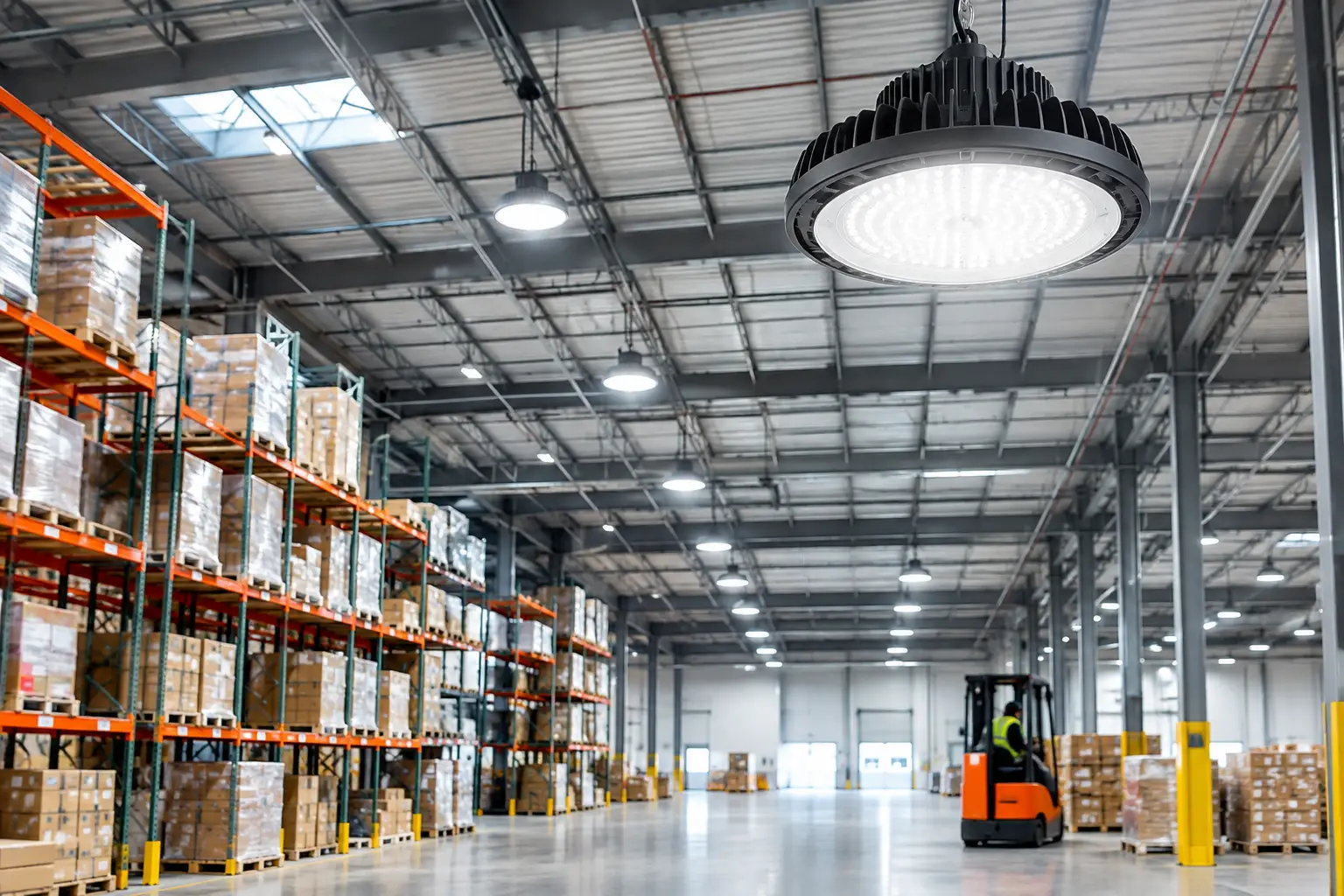
Warehouse High Bay Lighting That Works Harder
A warehouse can have plenty of lights and still be poorly lit. Dark racking aisles, glare at packing benches and shadows around loading areas can slow work down and create avoidable safety risks. The right warehouse high bay lighting is not simply about fitting brighter lamps overhead. It is about putting useful, reliable light where people need to work.
For warehouse owners, property managers and business operators, an upgrade should make day-to-day operations easier while keeping long-term running and maintenance costs under control. The best outcome comes from assessing the space properly before selecting fittings.
Why warehouse high bay lighting needs proper planning
High bay fittings are designed for spaces with high ceilings, commonly in warehouses, workshops, sheds, factories and distribution areas. Their job is to send light down from height without leaving patchy coverage across floors, shelving or workstations.
A basic one-for-one replacement can be tempting, particularly when older metal halide or fluorescent fittings are failing. But replacing every existing fitting with an LED equivalent may repeat the problems already in the building. Older lighting layouts were often designed around the limitations of outdated technology, not around how the space operates now.
A considered design looks at ceiling height, racking layout, aisle width, loading zones, machinery, work benches and the type of tasks being carried out. A storage-only area may need a different light level from a picking and packing zone where staff read labels, scan barcodes or handle small components.
Good lighting supports safer movement, clearer stock identification and a more comfortable workplace. It can also reduce the frustration that comes from staff working in shadows or constantly dealing with failed globes and fittings.
Start with the way the warehouse is used
Before choosing a fitting, walk through the building during normal operating hours. Pay attention to where people stop, where forklifts move, which areas feel dim and where daylight changes throughout the day.
A warehouse with tall pallet racking needs light that reaches the floor and lower shelves without creating deep shadows between aisles. A workshop may need stronger task lighting over benches as well as general overhead illumination. Dispatch and loading areas often benefit from even lighting that helps drivers, staff and visitors see edges, obstacles and paperwork clearly.
Ask practical questions. Are staff reading fine print? Are cameras relying on the lighting? Do shift workers operate before sunrise or after dark? Is the layout likely to change in the next few years? These details affect the best design and can prevent an upgrade from becoming too dim, too bright or costly to alter later.
Choose fittings for height, spread and glare control
Not every LED high bay is suited to every ceiling height. The wattage printed on the box is only one part of the picture. Light output, beam angle, fitting position and the distance between fittings all influence the result on the floor.
For higher ceilings, a more focused beam can push light down effectively. In a lower high-bay space, a wider beam may provide better spread and reduce obvious bright and dark patches. The right balance depends on the mounting height and the layout below it.
Glare deserves just as much attention as brightness. A fitting that looks impressive when viewed from the ground can be uncomfortable for forklift operators, staff looking up at stock or anyone working near reflective surfaces. Correct placement, diffuser options and suitable beam control can make the light feel cleaner without wasting output.
Colour temperature also changes how a space feels. A neutral to cool white is commonly used in commercial work areas because it gives a crisp, practical appearance. The best choice still depends on the environment, reflective surfaces and the tasks performed under the lights. There is no value in choosing the whitest-looking light if it causes glare or makes the work area feel harsh.
Light levels should match the task
There is no single setting that suits every warehouse. General storage areas can often operate with lower light levels than active picking, packing, assembly or quality-control areas. A warehouse with high traffic and frequent forklift activity may need more even coverage than a space used only for occasional stock access.
Rather than guessing, have the site assessed and the proposed layout checked before installation. This helps identify shadows from racking, roof trusses and equipment, as well as areas where extra task lighting may be more effective than increasing the output across the whole building.
LED upgrades can lower operating costs, but quality matters
LED high bays are popular because they use less power than many older warehouse lighting systems and generally have a longer service life. That can mean lower electricity costs and fewer disruptions for replacement work, especially where access equipment is required to reach high ceilings.
However, the cheapest fitting is not always the least expensive choice over time. In a busy commercial site, a failed fitting can involve downtime, elevated work platforms and disruption to staff or stock movement. Better-quality fittings, appropriate drivers and a suitable warranty can provide more value than a low upfront price.
Heat, dust, moisture and vibration also matter. A clean, enclosed warehouse has different demands from a dusty workshop, a produce facility or a loading area exposed to weather. The fitting’s construction and protection rating should suit the location. This is particularly important where insects, airborne particles or wash-down cleaning are part of normal operations.
Controls can reduce wasted light
Lighting does not need to run at full output in every part of a warehouse all day. Sensors, timers and zoning can reduce unnecessary power use without making the site inconvenient for staff.
For example, aisles used only occasionally may suit occupancy sensors, while offices, dispatch counters and active work zones usually need predictable lighting during business hours. Daylight sensors can be useful near skylights or roller doors, although they need to be commissioned carefully so they do not cause distracting changes in light levels.
Zoning is often one of the simplest improvements. Separating warehouse aisles, loading bays, work areas and external access points gives operators more control. If one section is quiet, there is no reason for the entire building to be lit at maximum output.
The trade-off is complexity. Too many controls can confuse users or create maintenance issues if the system is not specified well. A straightforward control plan that staff understand is usually the better option.
Installation is about more than mounting the fittings
High-bay installation involves working at height, assessing existing circuits and ensuring the electrical system can safely support the new equipment. Older buildings may have damaged cabling, unsuitable switching arrangements or fittings that have been added over time without a clear overall plan.
A licensed electrician can inspect the existing installation, identify any issues and advise whether emergency lighting, exit lighting or switchboard work should be considered at the same time. Planning these elements together can avoid repeat access costs later.
It is also worth scheduling installation around warehouse operations. In some cases, work can be staged by aisle or completed outside peak trading hours to minimise disruption. Clear communication matters here. Staff need to know which areas will be temporarily restricted and when lighting will be tested or switched over.
Maintain the system to protect the investment
Even long-life LED fittings benefit from periodic checks. Dust build-up can reduce useful light output, damaged lenses can affect distribution, and sensor settings can drift from what the site needs. A quick review is particularly worthwhile after racking changes, machinery relocations or a change in operating hours.
Keep a record of fitting types, installation dates and any driver replacements. This makes future maintenance simpler and helps maintain a consistent light level across the warehouse rather than creating a mix of mismatched fittings over time.
For businesses in Toowoomba and surrounding areas, LedRex Electrical can assess warehouse lighting needs, provide clear advice and complete installation with minimal fuss. A well-planned lighting upgrade should help your team see the job clearly, work safely and get on with the day.


Comments